
GLP-1 Medications and Hair Loss: What’s Actually Happening
Over the past year, one of the most common concerns I’ve been hearing in the treatment room is hair shedding while taking GLP-1 medications.
Clients come in worried that their medication is “ruining their hair.” The truth is, in most cases, that isn’t actually what’s happening.
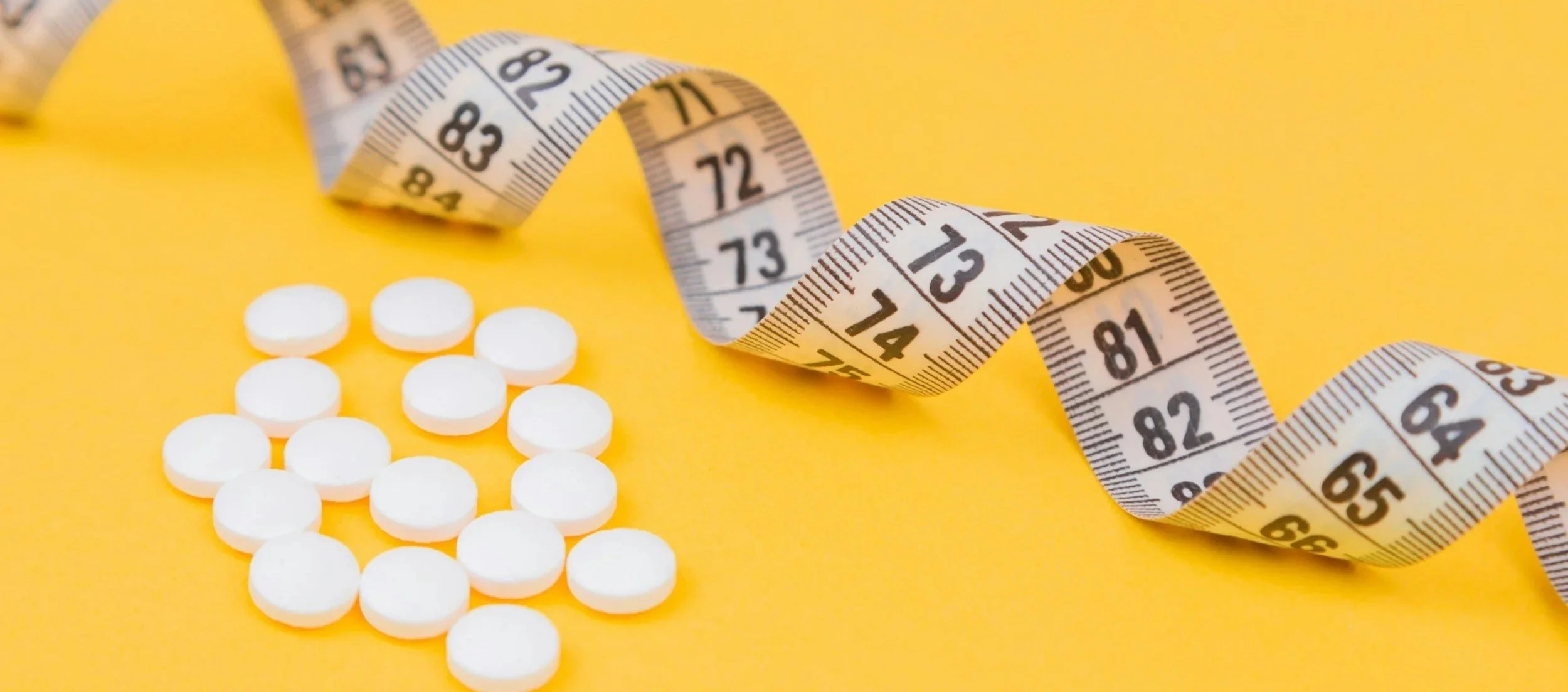
Medications such as Ozempic, Wegovy, Mounjaro, and Zepbound can cause significant changes in the body in a relatively short period of time. Weight loss, appetite reduction, digestive changes, and shifts in nutrient intake can all influence the hair growth cycle.
Hair follicles are incredibly sensitive to what is happening internally. When the body experiences stress, inflammation, or nutritional changes, the follicles can shift into a shedding phase.
Understanding why this happens is the first step in supporting recovery.
Why Hair Shedding Can Happen on GLP-1 Medications
Hair grows in cycles. Each follicle moves through phases of growth, rest, and shedding. When the body experiences a significant change—such as rapid weight loss or reduced nutrient intake—more follicles can shift into the resting phase at once.
This condition is commonly known as telogen effluvium, a temporary form of hair shedding that occurs when the body redirects energy toward essential systems.
GLP-1 medications themselves are not typically damaging the hair follicle directly. Instead, the body is adapting to several rapid shifts, including:
Reduced calorie intake
Nutrient fluctuations
Digestive changes
Hormonal adjustments
Physiological stress from rapid weight loss
When many follicles enter the resting phase together, shedding often begins two to three months later.
While this can feel alarming, the good news is that this type of shedding is often temporary when the body is properly supported.
The Three Areas That Matter Most for Hair Recovery
When I work with clients experiencing shedding during GLP-1 treatment, our focus is not on stopping the medication. Instead, the goal is to support the body so the hair cycle can stabilize again.
There are three key areas we focus on.
1. Supporting Gut Health and Nutrient Absorption
Hair follicles require a steady supply of nutrients to stay in the growth phase.
Rapid weight loss and appetite suppression can reduce the intake of important nutrients such as:
Protein
Iron
Zinc
Vitamin D
B vitamins
Essential fatty acids
GLP-1 medications can also slow digestion, which may affect how nutrients are absorbed.
Prioritizing nutrient-dense foods, adequate protein intake, and digestive support can help ensure the body is still providing the follicles with what they need to grow.
One important concept to remember is that hair is not essential for survival. When the body senses a nutrient shortage, it diverts resources away from hair growth first.
2. Calming the Nervous System
Hair follicles respond strongly to signals from the nervous system.
When the body experiences stress—whether from rapid metabolic change, poor sleep, or lifestyle factors—the follicles may receive signals that push them into the shedding phase.
Supporting the nervous system through:
adequate sleep
balanced nutrition
hydration
stress regulation
can help create an environment where the body feels safe enough to return follicles to the growth phase.
3. Creating a Healthy Scalp Environment
While internal health drives the hair cycle, the scalp environment also plays an important role in supporting healthy follicles.
Topical support that reduces irritation and inflammation can help stabilize the scalp while the body adjusts to metabolic changes.
This may include:
gentle scalp exfoliation
circulation-supporting treatments
calming topical ingredients
light-based therapies that support follicle health
These approaches do not override what the body is experiencing internally, but they can help create a healthier environment for regrowth as the hair cycle stabilizes.
What Most People Aren’t Told About GLP-1 Medications
One of the biggest challenges I see is that many clients begin GLP-1 medications without receiving guidance on the lifestyle factors that help protect hair health.
Nutrition, hydration, meal timing, and protein intake become significantly more important when appetite is reduced.
When these areas are supported properly, shedding often slows and the hair cycle begins to normalize again.
In many cases, hair begins to recover as the body stabilizes after the initial weight-loss phase.
When Hair Shedding Should Be Evaluated Further
While shedding during rapid weight loss is common, it is not always the only factor involved.
Sometimes other underlying conditions may also contribute to hair loss, such as:
androgenetic hair loss
thyroid imbalance
autoimmune conditions
iron deficiency
chronic scalp inflammation
This is where professional scalp analysis and trichology evaluation can be helpful. Tools such as trichoscopy allow us to examine follicle activity, scalp health, and hair density to better understand what is happening.
Supporting Hair Through Body Changes
Hair loss is rarely random. The scalp often reflects what is happening internally in the body.
When someone begins a medication that changes metabolism and appetite, the body may need time to adapt. With the right support—nutritional, lifestyle, and scalp-focused—many people find that shedding slows and their hair cycle stabilizes again.
At Notch + Mill Salon & Headspa, our approach focuses on understanding the whole picture of scalp health, helping guests navigate changes in their body while supporting healthy hair growth along the way.
If you’re experiencing hair shedding or changes in your scalp health, an in-depth scalp consultation and trichoscopy evaluation can help determine what your follicles need to recover and thrive.